
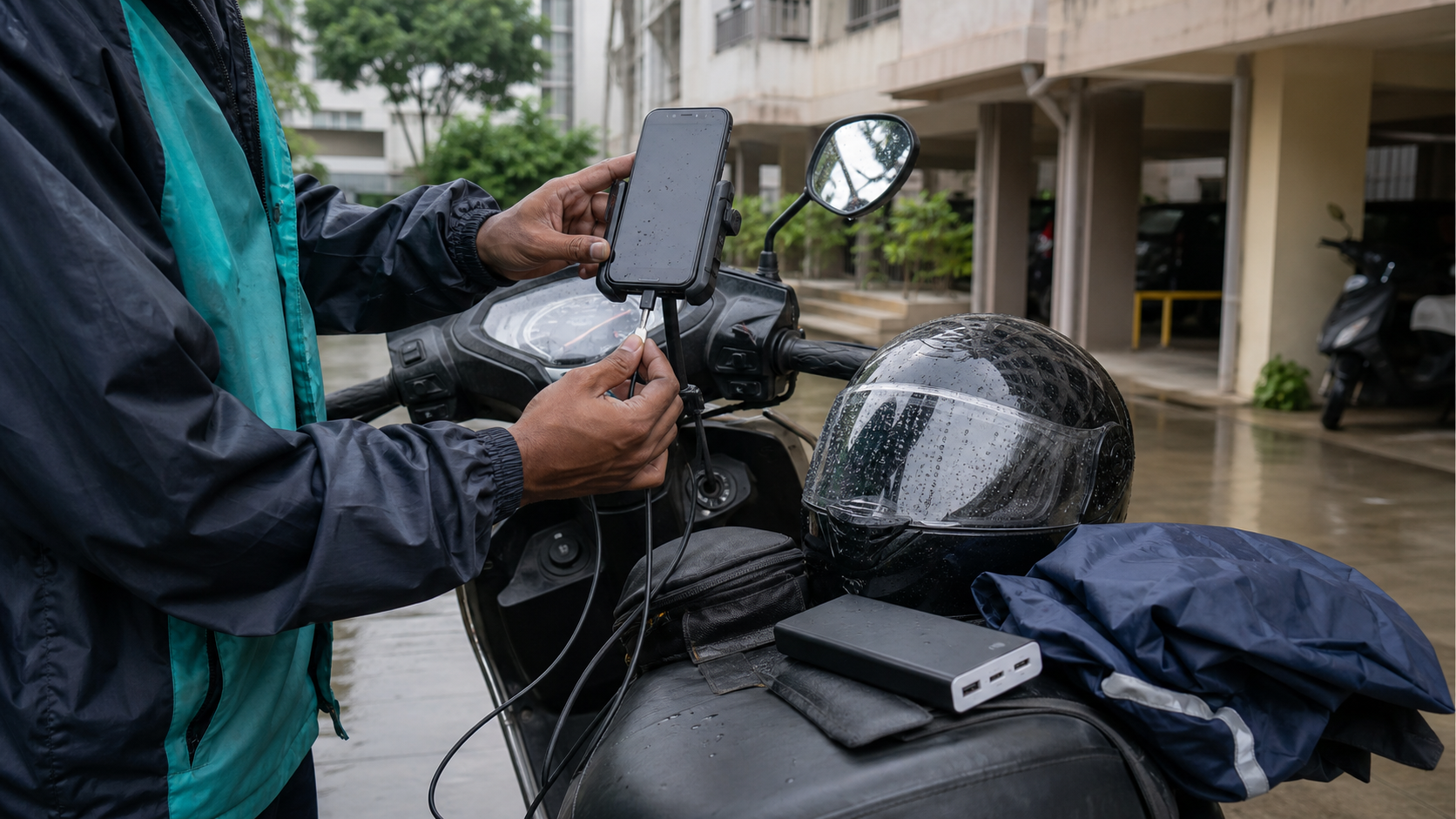
Battery saver can pause important work
Android battery settings are useful, but aggressive optimization can stop background services and delay notifications. Before a shift, drivers should review unrestricted battery settings for work tools they rely on and avoid changing permissions in the middle of active work.
Watch heat and screen brightness
High brightness, GPS, and charging can warm the device. Heat can reduce performance and make apps less responsive. A shaded mount and moderate brightness often work better than forcing maximum brightness all day.
Make the routine repeatable
The best setup is simple enough to repeat daily: charge, mount, open needed apps, check permissions, confirm RideAccept plan state, then start work.
Who this guide is for
This guide is written for Android users whose work apps are affected by battery saver or background limits. The main keyword is RideAccept battery optimization settings, but the real goal is practical: helping a buyer or active user understand what to check before depending on an Android work setup. Many drivers use more than one platform in the same day, so the phone becomes the workplace. If the phone is messy, overheated, low on charge, or unclear about plan status, the whole shift feels more stressful. RideAccept is designed to sit inside that real routine. It gives the buyer a place to think about plan access, payment records, setup readiness, and support details before the pressure of the road starts.
Why this matters for Indian rider and delivery apps
India has a wide mix of driver platforms, including Samsung, Xiaomi, Redmi, Realme, Vivo, Oppo, OnePlus, Motorola, and other Android phones used for driver work. RideAccept is not owned by these platforms and does not promise results on them. The useful part is preparation. A driver may open one app for bike taxi work, another for food delivery, and another for local parcel or quick-commerce work. Each app can have different notification styles, account screens, and background behavior. A buyer who understands this before paying has better expectations. RideAccept helps organize the surrounding workflow: check the plan, keep payment details ready, review permissions, and contact support with the right information if something looks wrong.
The practical problem this article solves
The common problem is apps being paused by the phone, delayed notifications, overheating, and unstable screen-on usage. These issues look small until the driver is already on the road. A disabled notification, weak data connection, pending payment state, or low battery warning can break concentration at the wrong time. The better approach is to treat setup as a parked routine. Before starting work, open RideAccept, confirm the plan state, check the phone settings, and make sure important work apps are ready. That small habit gives the buyer more control and reduces last-minute confusion. It also makes support easier because the user can describe what was checked and when the problem appeared.
A simple step-by-step routine
A good routine starts with setting battery mode carefully, reducing heat, using reliable charging, and checking permissions before the shift. Do it in the same order each time so it becomes automatic. First, charge the phone enough for the expected work period. Second, mount it where it can be seen without holding it. Third, open RideAccept and confirm whether the plan is active, pending, expired, or paused. Fourth, check work-app notifications and internet strength. Fifth, keep the payment order id available if you recently purchased a plan. This routine does not need to be complicated. The point is to make the phone ready before the driver is distracted by traffic, weather, pickups, or customer calls.
Payment and plan details buyers should keep
Every RideAccept buyer should keep a few details until activation is clearly complete: registered email, selected plan, payment amount, order id, phone model, and Android version. These details are not just formalities. They help match the correct user record with the correct payment request. If the gateway shows success but the app still says pending, support can review the order faster when the buyer provides complete information. Avoid making repeated payments immediately. Use the check payment status action, wait for the app response, and contact support with the order id if the state does not update.
Mistakes that create avoidable support delays
The biggest delays usually come from unclear messages. A screenshot without an order id, a different email than the one used in the app, or a message like "not working" gives support very little to verify. A better message says what plan was purchased, what amount was paid, which gateway was used, what the app currently shows, and which phone model is being used. Another mistake is changing Android permissions while moving. That can create a safety risk and make the problem harder to understand. Stop safely, check one setting at a time, and write down what changed before contacting support.
How to judge whether RideAccept is right for you
RideAccept is useful when you want more predictable phone behavior during long work sessions. It is not the right product if you expect guaranteed rides, guaranteed deliveries, fixed earnings, platform approval, or automatic success on third-party apps. Those results depend on the platform, location, demand, account status, device condition, and driver choices. The buyer should see RideAccept as a paid Android utility and support workflow. If you value organized plan access, payment review, setup reminders, and a clearer way to explain issues, the product can fit your routine. If you only want an earnings promise, this is not the right expectation.
Final checklist before ending this guide
Before leaving this page, remember the buyer checklist: download the APK from the official RideAccept site, sign in with the email you want support to recognize, choose the correct plan, pay from the app flow when possible, keep the order id, and confirm plan status before starting work. If you use multiple apps, keep them organized on one work screen and test notifications before the shift. If support is needed, send one clear message with account, payment, device, and issue details. That is the most reliable way to use RideAccept as part of a professional driver routine.
RideAccept takeaway
Use RideAccept as part of a parked, repeatable setup routine. Keep payment order ids, registered email, and device details available when asking for support.